by Belt Drive Betty | Aug 12, 2026 | Travel Features
Italy is more than a destination — it’s a sensory immersion. Nowhere is that more true than in Italy’s wine regions, where rolling vineyard landscapes, medieval hill towns, and centuries-old winemaking traditions create an experience that goes far beyond the glass. Whether you’re drawn to Tuscany’s dramatic cypress-lined roads, Umbria’s truffle-scented forests, or Sicily’s volcanic terrain, Italy’s wine country rewards slow, curious travel.

Tuscany — The Classic
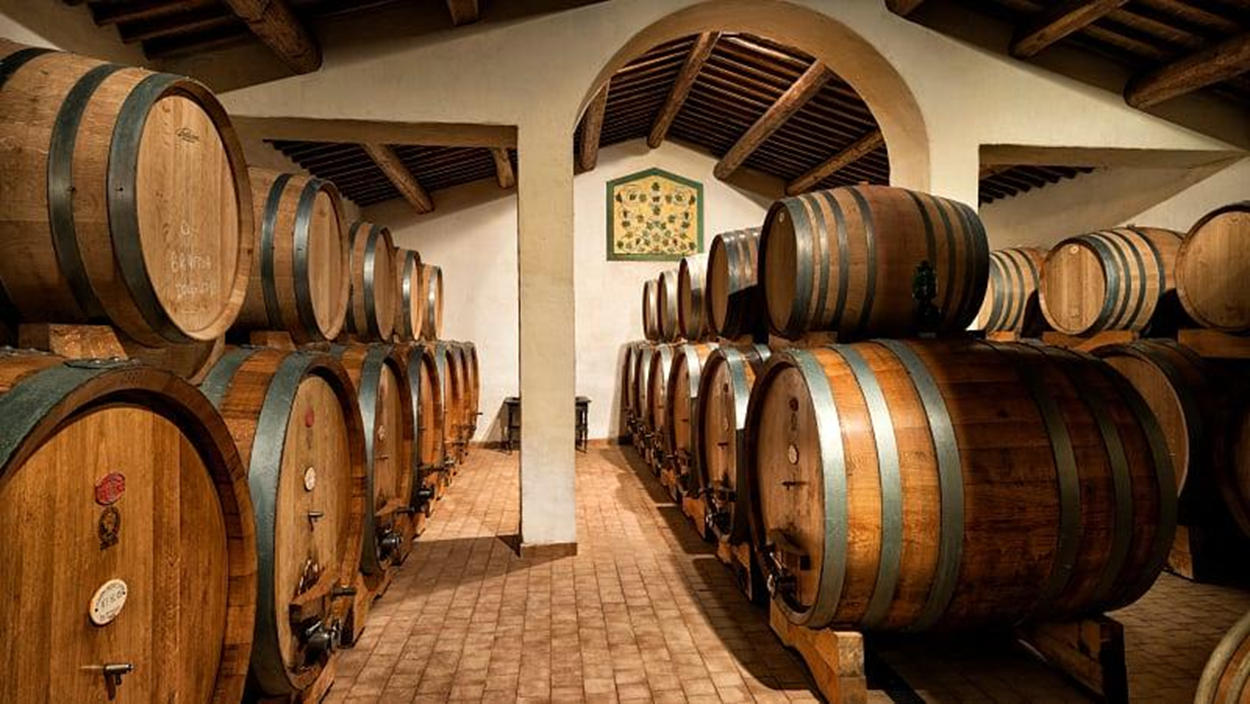
Few regions embody Italian romance like Tuscany. Chianti Classico estates sit tucked between Siena and Florence. Brunello di Montalcino — one of Italy’s most celebrated reds — is best tasted in the hilltop town of Montalcino, paired with local pecorino. Montepulciano’s cellars extend deep beneath its cobbled streets. Collette’s guided tours bring you into these estates before the doors open to the general public, with winemakers who share stories alongside tastings.
Umbria — The Authentic Alternative
Just east of Tuscany, Umbria remains Italy’s best-kept secret. Known as the “green heart of Italy,” it offers the same hill towns, medieval character, and exceptional food and wine — with far fewer crowds. Sagrantino di Montefalco is the bold, complex signature wine. And then there are the truffles: joining a local truffle hunter and their dogs in the Umbrian forests is one of the most authentically Italian experiences available to visitors.
Veneto and Prosecco Country
Beyond Venice’s canals, the rolling hills of Prosecco country offer a gentler, more playful wine experience. Visits to vineyards in the Conegliano-Valdobbiadene area pair naturally with Verona — the city of Romeo and Juliet — and nearby Valpolicella, where the powerful Amarone is produced. Lake Garda adds scenic drama to any Veneto itinerary.
Sicily — Volcanic and Extraordinary
Etna wines, grown on the slopes of Europe’s most active volcano, have become some of Italy’s most exciting. Sicily adds Greek temples, Norman cathedrals, and sun-filled piazzas to the mix, making it one of the most layered destinations in Europe. Marsala wine, produced in the town of the same name, has a history as rich as the wine itself.
When to Go
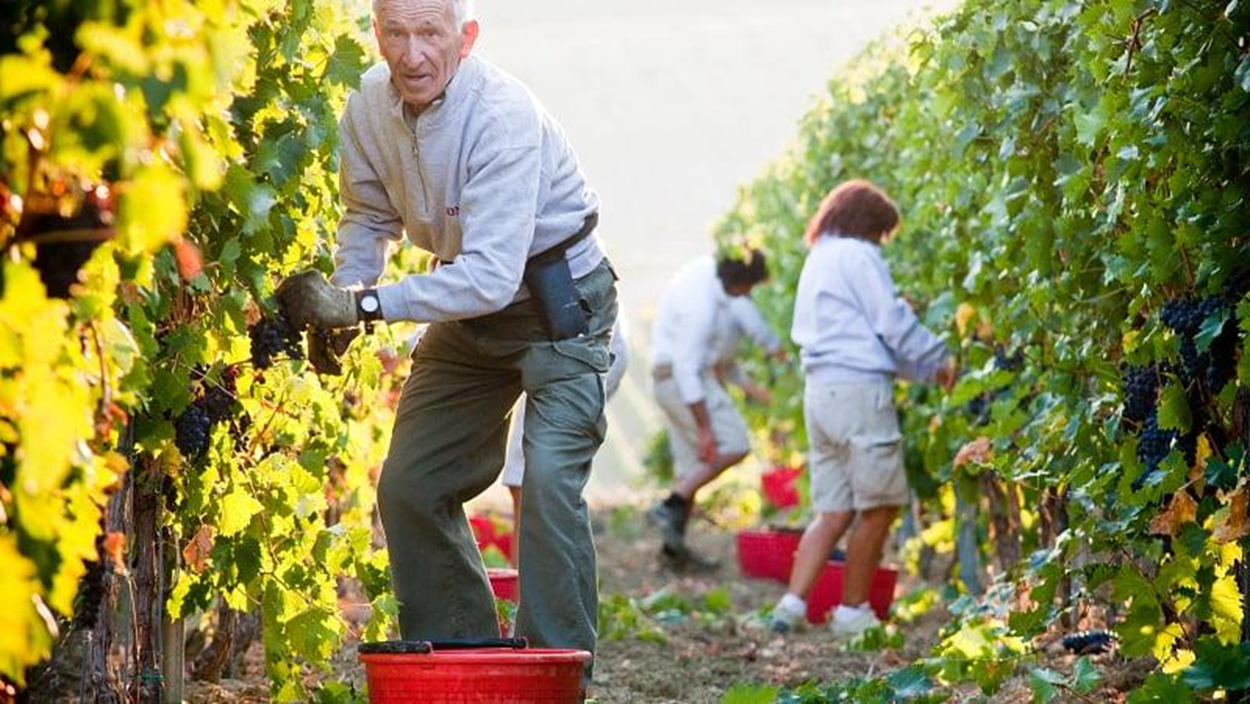
Spring (April–June) and autumn (September–October) are the prime seasons for wine travel in Italy. Autumn brings grape harvest festivals and truffle fairs across Umbria and Tuscany — a particularly magical time to visit. Collette’s guided tours run across multiple dates, giving Albertans flexibility to find the departure that fits.
Ready to taste Italy?
Renée Charbonneau is a Certified Travel Agent and proud member of CMTA Travel Services in Grande Prairie, AB. She can book your Collette Italy tour and handle everything from Alberta.
📩 Contact Renée at CMTA Travel Services
by Belt Drive Betty | Aug 5, 2026 | Travel Features
Portugal has quietly become one of Europe’s most compelling destinations — and Canadians are catching on. With a strong wine tradition, breathtaking landscapes, UNESCO-listed cities, and some of the warmest hospitality in Europe, it rewards every type of traveller. From the cobblestone streets of Lisbon and Porto to the vineyard-terraced slopes of the Douro Valley and the sun-soaked Algarve coast, Portugal delivers depth and beauty in equal measure.
The Douro Valley — Wine Country at Its Most Spectacular
The Alto Douro Wine Region, established in 1756, is one of the oldest demarcated wine regions in the world and a UNESCO World Heritage Site. Steep terraced vineyards — hand-built over centuries — cascade down to the river below, creating one of Europe’s most dramatic agricultural landscapes. This is where Portugal’s famous Port wine was born, and the tradition of welcoming visitors to the quintas (farms) and wine lodges is centuries old. A river cruise through the Douro is one of the most memorable ways to experience it.
Lisbon and Porto
Lisbon is one of Europe’s most underrated capital cities — hilly, soulful, and full of character. Trams rattle through historic neighbourhoods, viewpoints offer sweeping river vistas, and the pastel de nata (custard tart) at Pastéis de Belém is a genuine pilgrimage for food lovers. Porto, to the north, is smaller and equally enchanting, with its UNESCO-listed historic centre, dramatic gorge, and extraordinary concentration of wine lodges just across the river in Vila Nova de Gaia.
The Alentejo and Beyond
For travellers who want space, silence, and cork oak forests stretching to the horizon, the Alentejo delivers. It’s also one of Portugal’s most exciting wine regions — named the world’s best wine region to visit by USA Today readers — with historic estates offering overnight stays, tastings, and immersive harvest experiences. The medieval city of Évora, another UNESCO site, sits at its heart.
Madeira — A Treasure in the Atlantic
No discussion of Portugal is complete without Madeira. This Atlantic island of terraced vineyards, dramatic cliffs, and levada walking trails produces wines prized since the 18th century by kings, generals, and explorers. It’s a destination that surprises visitors who expect just another island resort — and instead find something far richer.
Portugal is waiting — let’s make it happen
Renée Charbonneau is a Certified Travel Agent and proud member of CMTA Travel Services in Grande Prairie, AB. She builds custom Portugal itineraries including river cruises, wine tours, and city breaks.
📩 Contact Renée at CMTA Travel Services
by Belt Drive Betty | Jul 29, 2026 | Travel Features
France has always been a dream destination — and right now it’s having a cultural moment. Travellers are craving the kind of experiences France does better than almost anywhere: elegant living, world-class food, centuries of history, and landscapes that feel cinematic because they genuinely are. Provence. The French Riviera. Paris. The Dordogne. Bordeaux. Each one a journey in itself. Together, they make France one of the world’s most layered and rewarding destinations.
Provence — Where History Meets the Senses
In Provence, medieval villages perch on limestone cliffs, Roman aqueducts stand quietly against rolling countryside, and lavender fields stretch to the horizon in high summer. It’s the France of postcards — but experiencing it in person is something else entirely. The markets, the rosé, the light — there’s a reason artists have been coming here for centuries.
Paris — Timeless and Always Evolving
World-class art, fashion, and gastronomy continue to evolve in Paris while remaining rooted in centuries of tradition. A morning at the Louvre, a long lunch in a bistro, an evening at a brasserie with a glass of Burgundy — Paris rewards slow travel. High-speed trains connect it to the rest of France effortlessly, making it the perfect hub for a broader French adventure.
The Riviera and the Wine Regions
Along the French Riviera, pastel façades meet the brilliant blue Mediterranean. In Bordeaux and Burgundy, vineyard-covered slopes produce some of the world’s most celebrated wines. Gateways International specializes in tailor-made France itineraries that weave these regions together in a way that feels personal rather than packaged — boutique hotels, local guides, and the kind of experiences that don’t show up in a group tour brochure.
Getting to France — Routing from Alberta
France is at the center of global travel inspiration right now, and Gateways International has the local expertise and supplier relationships to get you there in style. For Albertans, a France trip typically routes through Air Transat via Montreal or Toronto — and working with Renée means your flights, hotels, transfers, and experiences are all coordinated from one trusted source.
France is calling — will you answer?
Renée Charbonneau is a Certified Travel Agent and proud member of CMTA Travel Services in Grande Prairie, AB. She builds custom France itineraries for Albertans who want more than a package tour.
📩 Contact Renée at CMTA Travel Services
by Belt Drive Betty | Jul 24, 2026 | Travel Tips
For Albertans, the Northern Lights are a familiar sight on a clear winter night — but seeing the aurora borealis dance across the sky in Finnish Lapland is something else entirely. No light pollution. No city glow. Just you, the silence of the Arctic, and one of nature’s most extraordinary phenomena. Here’s everything you need to know to plan your Northern Lights trip right.
When to Go
The aurora season in Finnish Lapland runs from late August through early April — when the nights are dark enough to see the lights. Despite what many people assume, winter is not necessarily the best time. Autumn (September–October) and spring (March–April) are actually the most statistically active seasons, when the Earth’s orientation toward the sun maximizes the probability of solar flares interacting with the planet’s magnetic field. In Lapland, the Northern Lights are visible on roughly 200 nights per year — about every other clear night.
Where to Go
The further north you go in Finland, the better your chances. Saariselkä, Rovaniemi (also home to Santa Claus Village), and the remote village of Kilpisjärvi in the far northwest are prime viewing areas. Staying in a glass-roofed aurora cabin — where you can watch the sky from your bed — is an experience that’s become one of the most sought-after in Northern European travel. Book these well in advance; they sell out fast.
Maximizing Your Chances
Clear skies are essential — cloud cover blocks the view entirely. The Finnish Meteorological Institute maintains a space weather page showing real-time aurora activity, and several local apps track conditions. Plan for a minimum of 4–5 nights to improve your odds of catching a display. Evening excursions by snowmobile or reindeer sled away from any ambient light give you the best viewing conditions.
What Else to Do in Finnish Lapland
Lapland isn’t only about the lights. Husky sledding, reindeer safaris, snowshoeing through old-growth forest, ice fishing, and the extraordinary Sauna culture of Finland all add depth to a Lapland trip. Rovaniemi is a legitimate city with good restaurants and the fascinating Arktikum science centre. Winter in Lapland is one of the most immersive travel experiences available — and it works beautifully as a standalone trip or combined with a Scandinavian city break in Helsinki, Stockholm, or Copenhagen.
Ready to plan your Northern Lights adventure?
Renée Charbonneau is a Certified Travel Agent and proud member of CMTA Travel Services in Grande Prairie, AB.
📩 Contact Renée at CMTA Travel Services
by Belt Drive Betty | Jul 17, 2026 | Travel Tips
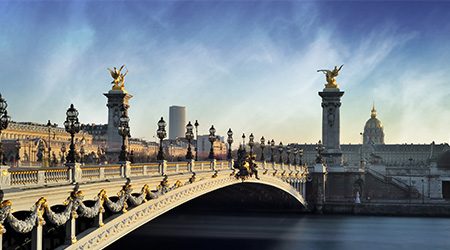
Paris is one of those cities where even a single day, done right, leaves you with memories that last years. The key is choosing carefully — you can’t see everything, so pick the experiences that speak to you and savour them properly. Here’s how to spend 24 perfect hours in the City of Light.
Morning: Café, Seine, and Monet
Start at a classic Parisian sidewalk café — Café de Flore or Les Deux Magots in Saint-Germain-des-Prés, both legendary for their literary history and their café crème. Walk to the Seine and cross Pont des Arts with its romantic city views, then spend a contemplative morning at the Musée de l’Orangerie — smaller and more manageable than the Louvre, it houses Monet’s breathtaking Water Lilies murals in two oval rooms designed specifically for them. One of the most quietly moving experiences in all of Paris.
Mid-Morning: Montmartre
Take the metro to Montmartre and climb to Sacré-Cœur Basilica for one of the best panoramic views of Paris — without the crowds of the Eiffel Tower. Then find your way to Clos Montmartre, Paris’s only working vineyard, hidden behind a wrought-iron gate on rue des Saules. The open-air square of Place du Tertre, where local artists display their work, captures the bohemian spirit that made Montmartre famous. Lunch at Le Consulat — classic French onion soup, duck confit, crisp Sancerre.
Afternoon: The Marais and the Seine
The Marais district rewards slow wandering: boutiques, art galleries, beautiful 17th-century mansions, and some of the best falafel in the world on Rue des Rosiers. For something more leisurely, a one-hour Seine River cruise puts Notre-Dame, the Louvre, and the Eiffel Tower in their proper context — seen from the water, Paris makes architectural sense in a way it doesn’t from street level.
Evening: Dinner and a Nightcap
For an authentic Parisian bistro experience, Le Bon Georges is a well-kept secret: hearty French cooking at its finest — steak-frites, mushroom fricassée, classic crème caramel. For a truly unforgettable splurge, Le Cinq at the Hotel George V (three Michelin stars) offers French cuisine at its absolute peak. End the evening at Bar Hemingway inside the Ritz Paris — cozy, old-world, and the perfect place to reflect on the day over a glass of Champagne.
Paris as a Cruise Port
Many Mediterranean and Northern Europe cruises include overnight port calls in Paris — or fly-cruise packages that begin or end here. Regent Seven Seas Cruises pairs particularly well with Paris, given their commitment to ultra-luxury experiences and fully inclusive shore excursions. Talk to Renée about cruise itineraries that make Paris the beginning of something bigger.
Ready to plan your Paris trip or Mediterranean cruise?
Renée Charbonneau is a Certified Travel Agent and proud member of CMTA Travel Services in Grande Prairie, AB.
📩 Contact Renée at CMTA Travel Services